04 October 2026
Molded Pulp Wine Shipper Manufacturers: How to Vet One
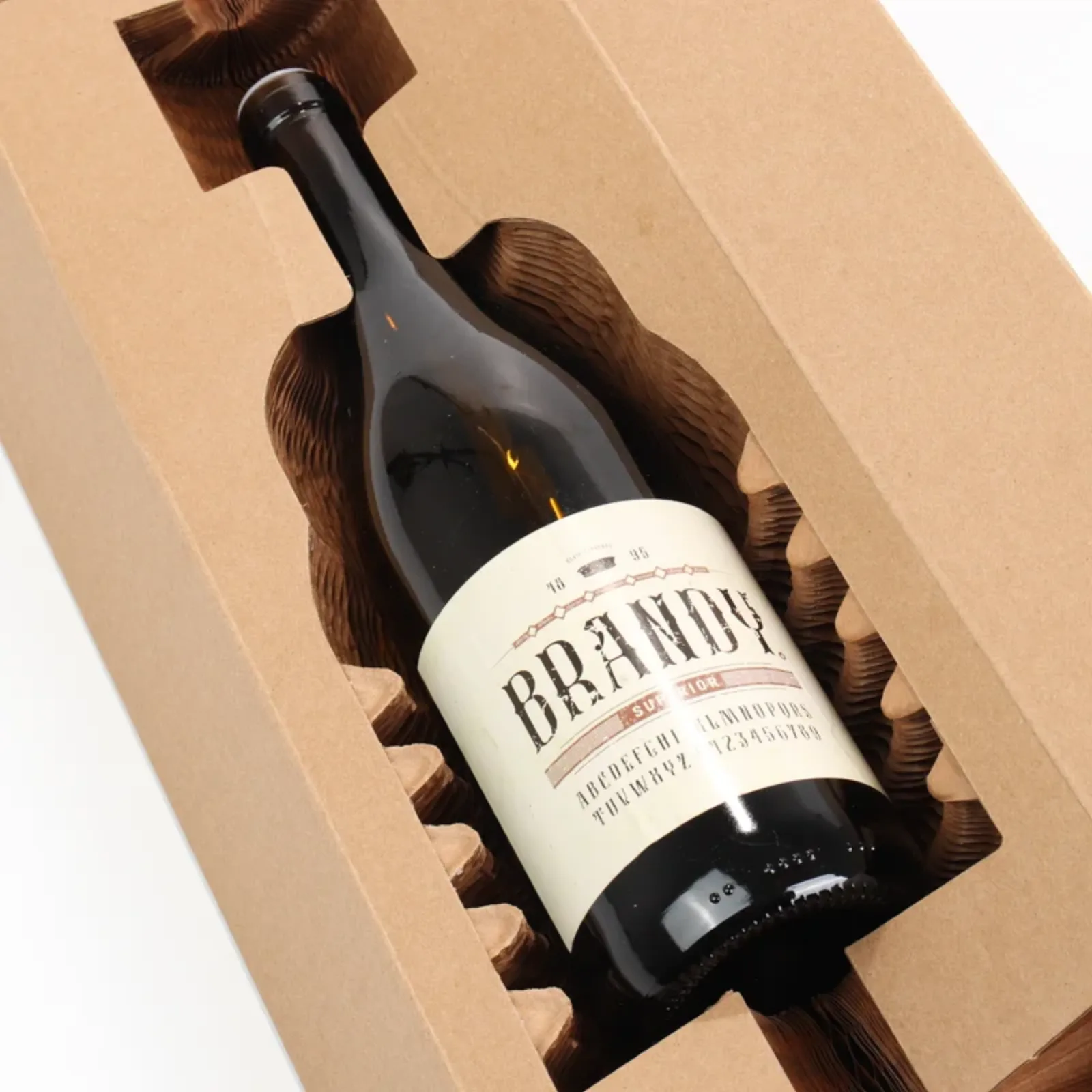
Molded pulp wine shipper manufacturers build a corrugated outer carton with paper pulp cradles inside, and each cradle pins a bottle at fixed points. When the carton takes a knock, the pulp grips the bottle and crushes locally. Picking among these makers comes down to three things: tooling, fit checks, how the insert meets your bottle.
What Pulp Inserts Are and How They're Tooled
It isn't a generic block with a hole. The pulp gets formed to your bottle's diameter and shoulder profile. Both the bottle count and the carton's internal dimensions have to match the tool. Change the bottle and the tool changes. Tooling is bottle-specific, not size-specific.
Two halves normally meet around the bottle, top and bottom, with the parting line sitting where the shoulder starts to taper. Get that line wrong and the neck carries load it was never meant to carry, which is why we form the cradle so the bottle is held at four points, never by an unsupported neck or shoulder. If a supplier can't tell you where their cradle contacts your bottle, you've got your answer about them.
Matching Inserts to Bottle Counts
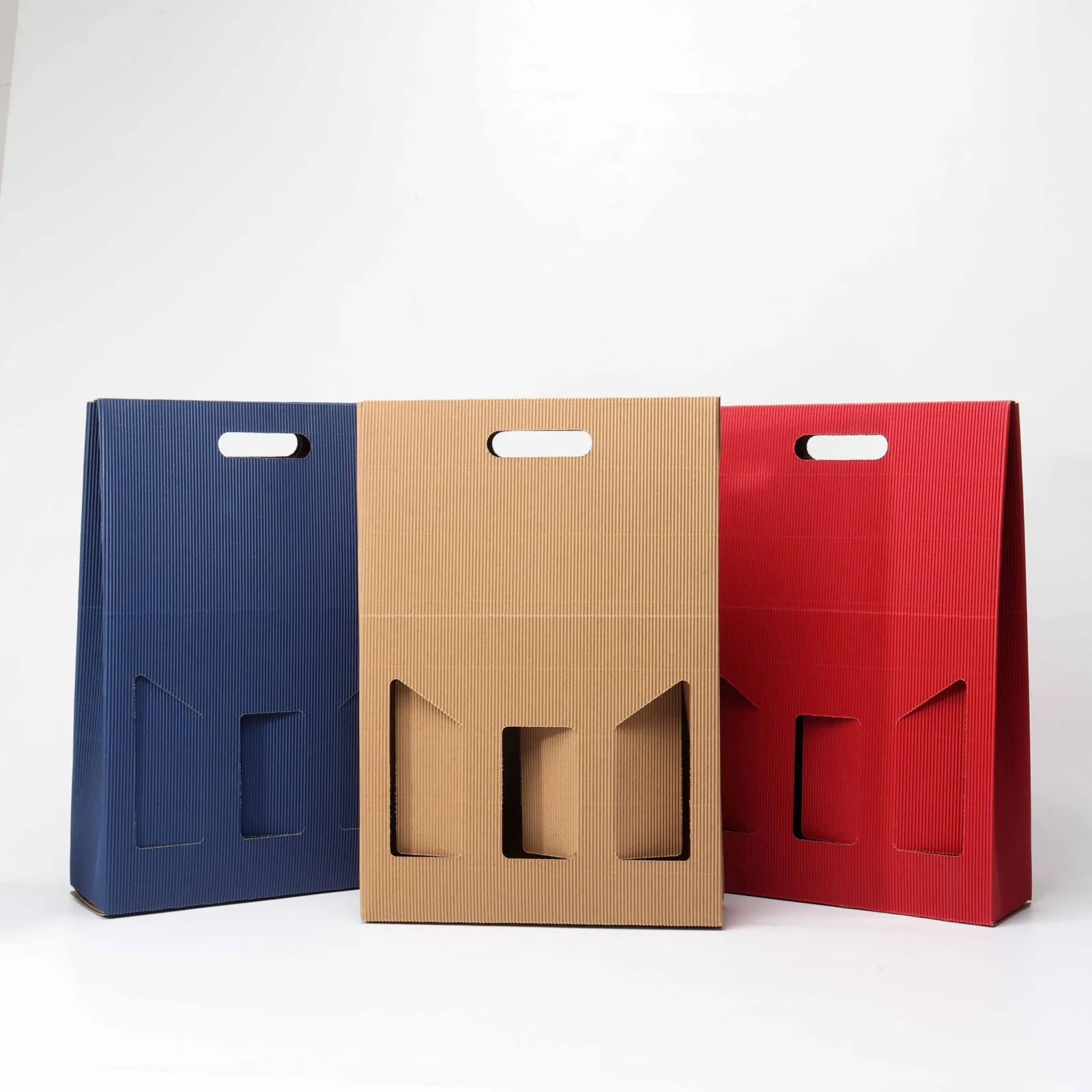
The common shapes are one, two and three bottle cartons with handles, and the pulp layout shifts with each. In a single bottle carton, the cradle wraps the whole circumference. Side by side, the two cradles of a two bottle carton share a center wall. Three bottle cartons usually run in a row. The end positions behave differently from the middle one.
Corner positions take the hardest knocks in any carton with more than a single row, and that's where buyers get caught. A corner bottle has two exposed faces plus less pulp between it and the outside world. So the pulp there does the most work and you specify it thicker or deeper than the center positions; put your best bottle in a corner and that's what you're asking for.
Carton and insert are one system, not two. A perfect cradle can still shift if the carton flexes enough. On inserts our control tolerance is plus or minus 1 mm, on the box body plus or minus 2 mm, and those two numbers have to work together rather than separately. Even in a tight carton, a loose insert moves.
The Fit Checks a Factory Engineer Names
Fit checks aren't paperwork; they're the three things we do to a loaded shipper before anyone signs off on the tool. First, shake it for 10 seconds. No movement. Second, tilt 45 degrees. The bottle must not slide. Third, invert fully. The bottle must not release.
Run those three on the first article, never on a photo of the first article. A shoulder problem, not a diameter problem, is what you've got when a cradle passes the shake and fails the inversion. That's a tooling fix, and catching it at first article is cheaper than after the tool is cut. For the wider set of checks across box types, see how we control quality.
Pulp vs Corrugated vs Rigid for Transit
What pulp delivers is local crush protection, and in your hand it feels dry and rigid. A blow to the carton crushes that one spot and soaks up the energy, which keeps the bottle where it was put. That's its whole job. Corrugated dividers weigh less and store flat; you notice this when shippers sit in the back before use or when you're paying to move empties. Protection is usually fine, but the grip pulp gives isn't there.
On opening, rigid boxes make the better first impression. A lid-and-base or magnetic closure box with a velvet tray reads as a gift rather than a shipment. But rigid eats up space and costs more to ship, and when the buyer's plan is a courier van loaded three times before it reaches the customer, rigid won't be your protective answer. Before locking pulp in for every SKU, look at corrugated wine shippers.
Blunt version: pulp solves transit, not display. So if you need both, two boxes may be the answer, and that call is easier made early than discovered at the packing bench.
Failure Modes to Ask About
Thin walls crack on pulp that's too dry. You'll see it at the cradle corners and along the parting line, and it tends to show up after the box has sat in a dry warehouse, not on the day it was made. Damp pulp goes soft and loses grip. The bottle still sits in the cradle, but it moves, and movement is what breaks glass.
The third failure is the quiet one. A cradle that doesn't match the bottle shoulder passes the load to the neck. The box passes a visual check, the bottle looks fine, and then a drop lands on the shoulder taper and the neck snaps. Shoulder profile, not just diameter, is what we form to. Before placing a tooling order, ask any molded pulp wine shipper manufacturer to show you where their cradle contacts your specific bottle.
A fourth is worth naming: a cradle matched to one bottle of a given volume and not another. Shoulder heights can differ between two 750 ml bottles from separate producers. Send the actual bottle, not the spec sheet, and the tool matches what you ship.
When Our Product Is the Wrong Answer
If the buyer needs a retail-ready presentation box, pulp is the wrong route. Rigid lid-and-base or a magnetic closure box with a velvet or EVA insert is the better answer, and we'll say so. A pulp shipper is built to survive the journey, not to sell the wine from a shelf.
Same goes for a buyer whose bottles change across a range. One tool per bottle profile adds up, and on a wide range, corrugated dividers with a generic fit may serve the whole line better. The buyer who gets the most from pulp is the one with a stable bottle and a real transit problem. If that isn't you, don't buy it for how technical it looks.
Our In-House Pre-Shipment Checks and What to Send Us
Every box gets our own pre-shipment checks before it goes anywhere. A 1.2 m drop, all six faces, bottle inside. We stack 40 kg or more on top and leave it 24 hours, then run a truck and sea vibration simulation. After that, no internal movement is allowed. All of it happens on our equipment, and it's how we decide a tool is ready. That's not a substitute for your own trial shipment, though, and honestly we'd rather you run one. Test both legs if your route is a long sea stretch followed by a courier. Want to see where these checks fit? Look at custom wine shipping box manufacturing.
What we need from you: box dimensions or a bottle sample, a reference design, your quantity, and any special requirements. Since the tool is cut to the bottle, the sample matters most for pulp. And a reference design tells us if you want a plain shipper or one with print on the outside.
Two sample types are available. A blank one shows the structure and fit, while a printed one shows the visual. Approve the structure before the print, because a beautiful print on a cradle that doesn't grip is money spent in the wrong order. If you'd like to compare before writing, materials and facing options are on our materials and structures page.
Questions Worth Asking Any Supplier
Where does the cradle contact the bottle? Ask to see it marked on a sample. Ask what happens to the insert when it dries out in a warehouse, and what they do about thin walls. Were the carton and insert toleranced together or separately? Get the drop, stack and vibration results on a loaded box, not an empty one.
If a supplier answers all four with specifics, that's a factory. If the replies are about how long they've been in business, that's a sales office. The difference shows up on the pallet, not in the email thread.
Where Pulp Fits in Your Range
Most buyers we work with don't put every SKU in pulp. The high-value or fragile bottles go in it, corrugated or rigid elsewhere, and that's a sensible split. You decide which bottles justify the tool, then let the rest of the range ride on simpler packaging.
For a deeper look at how the insert grips and where it crushes, read pulp wine shippers: how molded pulp holds bottles in transit. Then send a bottle and let the tool do the talking.
Key points
- Pulp tooling is bottle-specific. Both diameter and shoulder profile drive the cut.
- Cartons holding several bottles get their worst hits at the corners.
- Ten seconds of shaking. Tilt it 45 degrees, then invert: three fit checks, all on a filled box.
- Soggy pulp goes soft. It loses grip. When a wall is thin, dry pulp splits.
- Should your priority sit in retail presentation, go with a rigid box and velvet or EVA instead.
Questions buyers ask
What is a molded pulp wine shipper?
A corrugated outer carton sits around molded paper pulp cradles, and each cradle gets formed to the shoulder profile and bottle diameter, which holds the bottle at fixed points. What absorbs the impact? The pulp grips the bottle and crushes locally the moment the carton takes a knock.
How do I compare pulp inserts with corrugated dividers?
In your hand it feels dry and rigid, and it grips the bottle as it crushes locally. Flatter and lighter for storage and hauling empties are corrugated dividers (though pulp often earns its place if handling repeats). Should bottles vary across a wide range, corrugated might suit the whole line.
What should I send to get a pulp shipper quoted?
It starts with four things: your box dimensions or a bottle sample, a reference design, your quantity, special requirements. That bottle sample matters most, since the tool gets cut to match it. A blank sample comes for structure, and a printed sample for visual approval, with our suggestion being to approve the structure first.
Through the quote form, send a bottle sample or box dimensions. Whether pulp suits that SKU is something we'll say straight. Get a Quote
Put this on your bottle
Send the bottle sample or dimensions, quantity and a reference design. We reply with structure options and pricing.
- Email[email protected]