Two-Bottle Wine Boxes
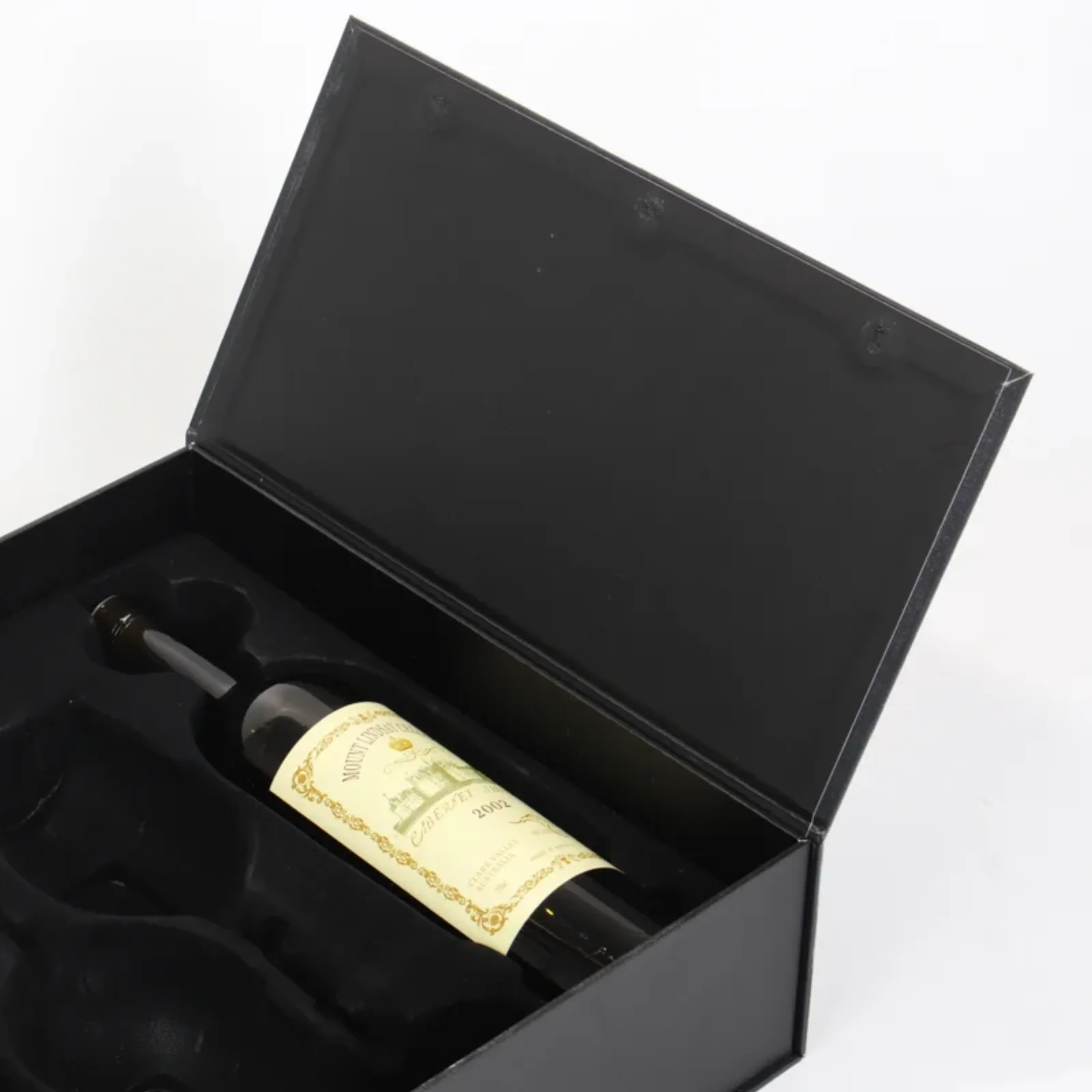
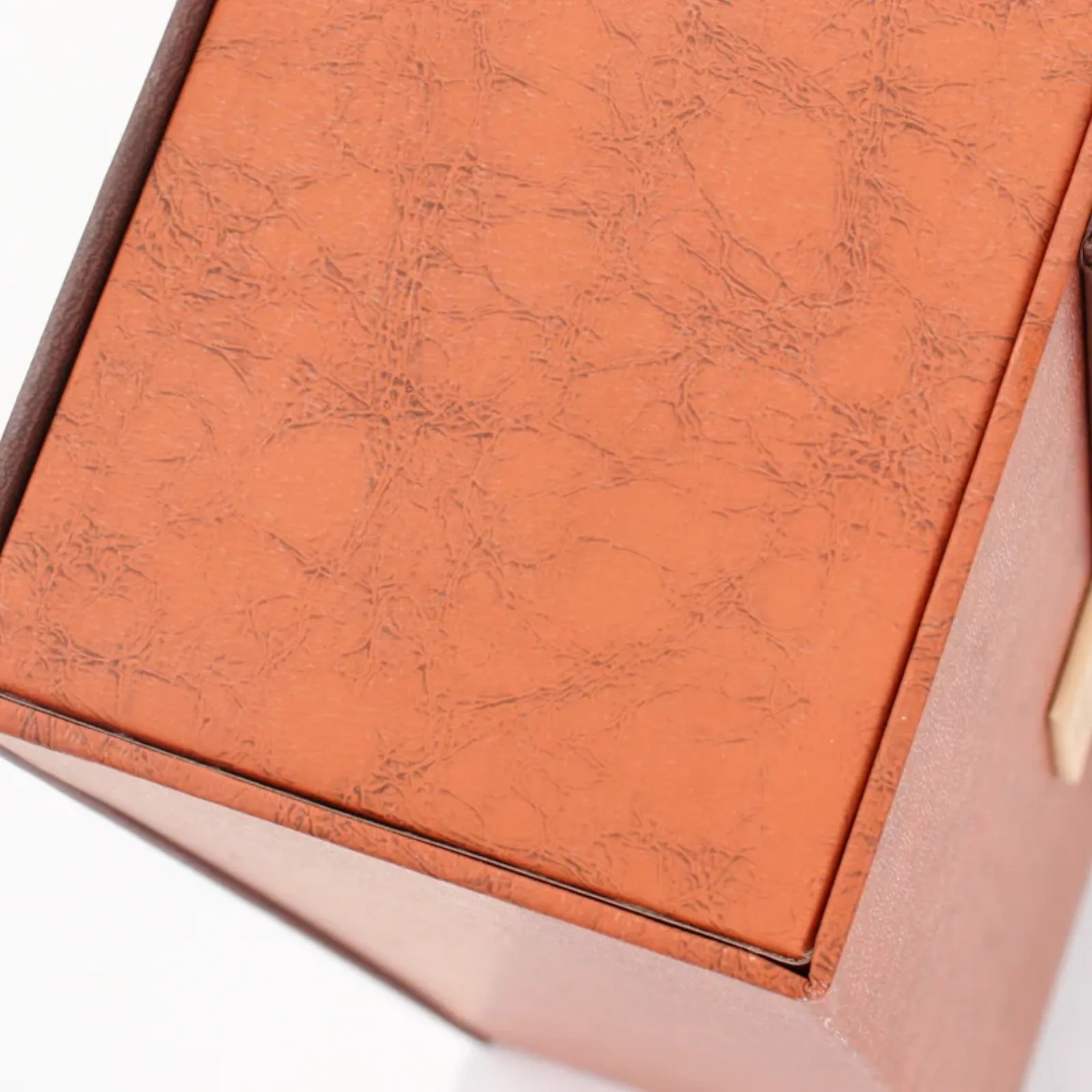
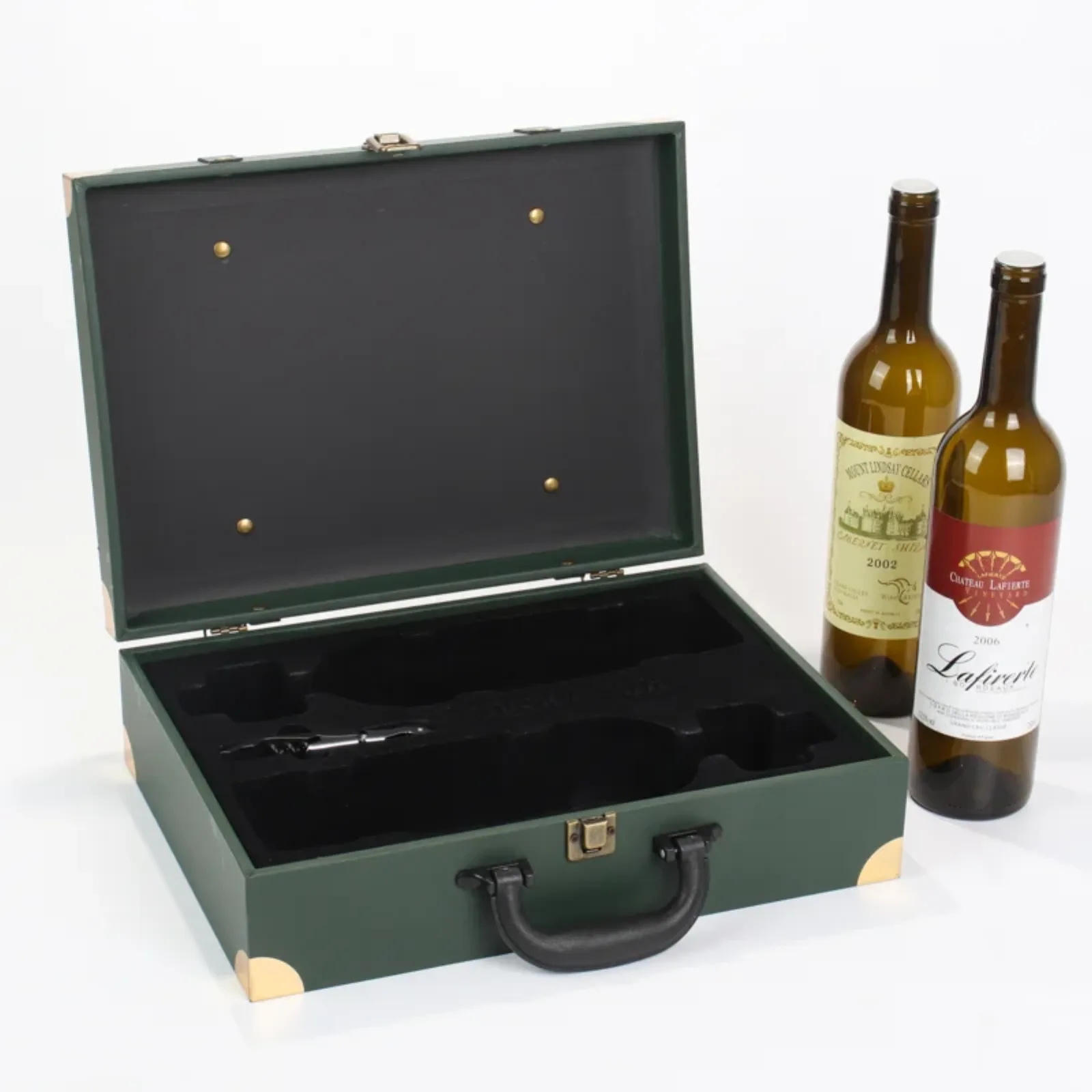
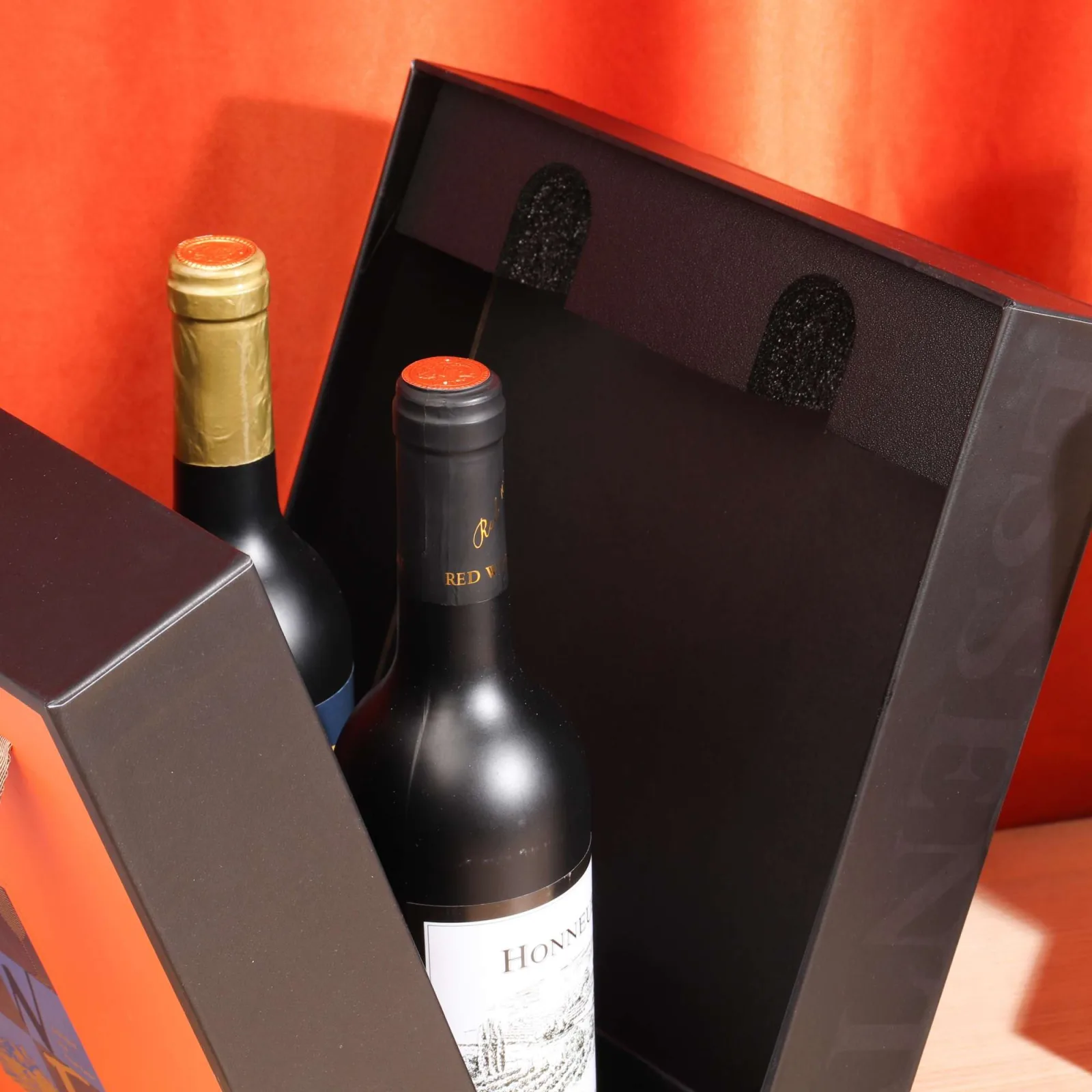
So you need a two-bottle wine box. It's the workhorse of gift sets, paired promotions, and premium e-commerce shipments. You get enough internal volume for a proper insert and enough presentation area to make the unboxing deliberate, which is what matters on a crowded shelf. Our category covers rigid double-door boxes, magnetic flip tops, leather-textured finishes, and simpler cardboard constructions for brands that need volume without heavy tooling.
The real decision isn't just what the box looks like on a shelf. Will the bottles survive the courier van that gets loaded three times before it reaches your customer? That's the question. We build these boxes around the insert first, and if the insert doesn't hold both bottles at four points each, the nicest paper on the outside won't save you from a return.
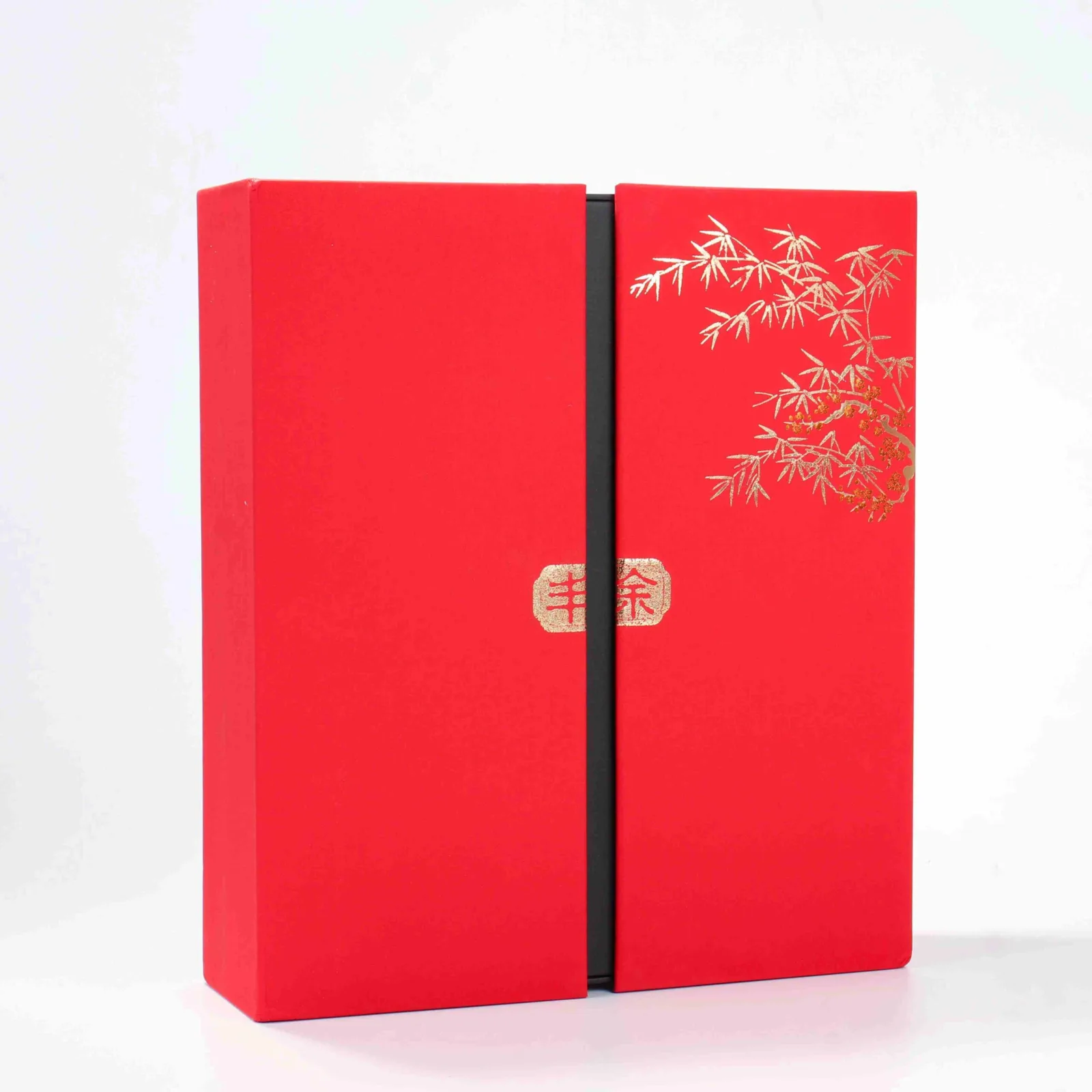
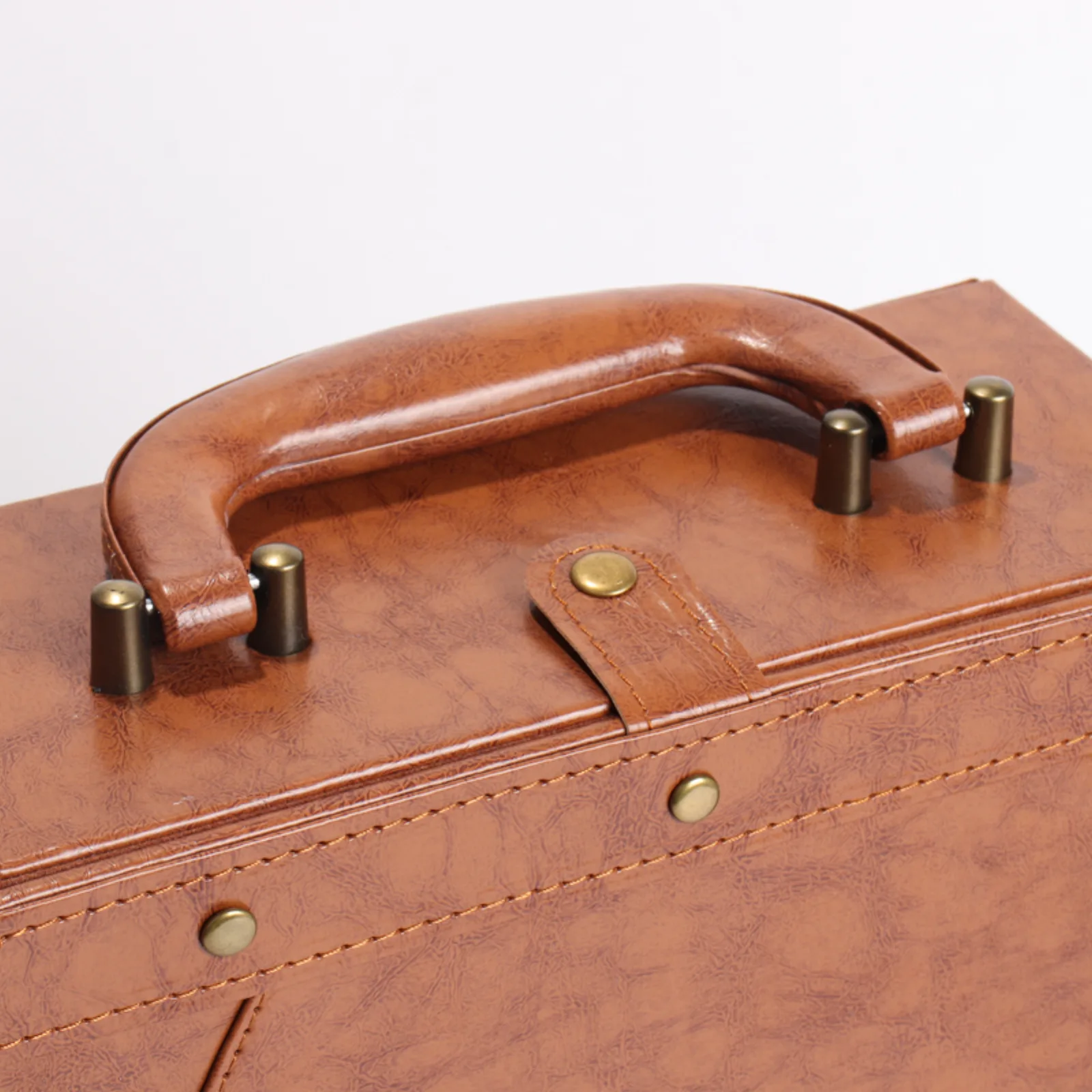
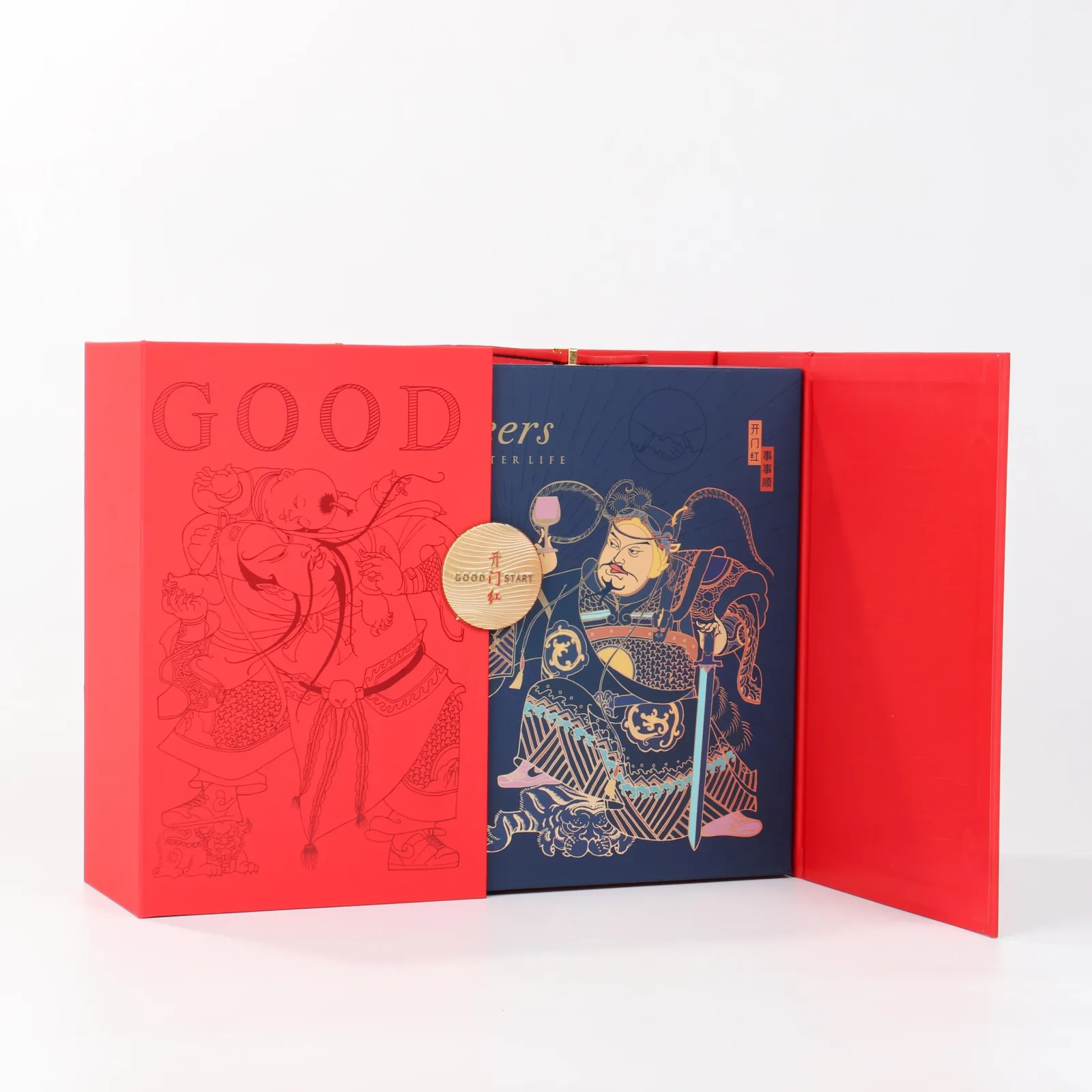
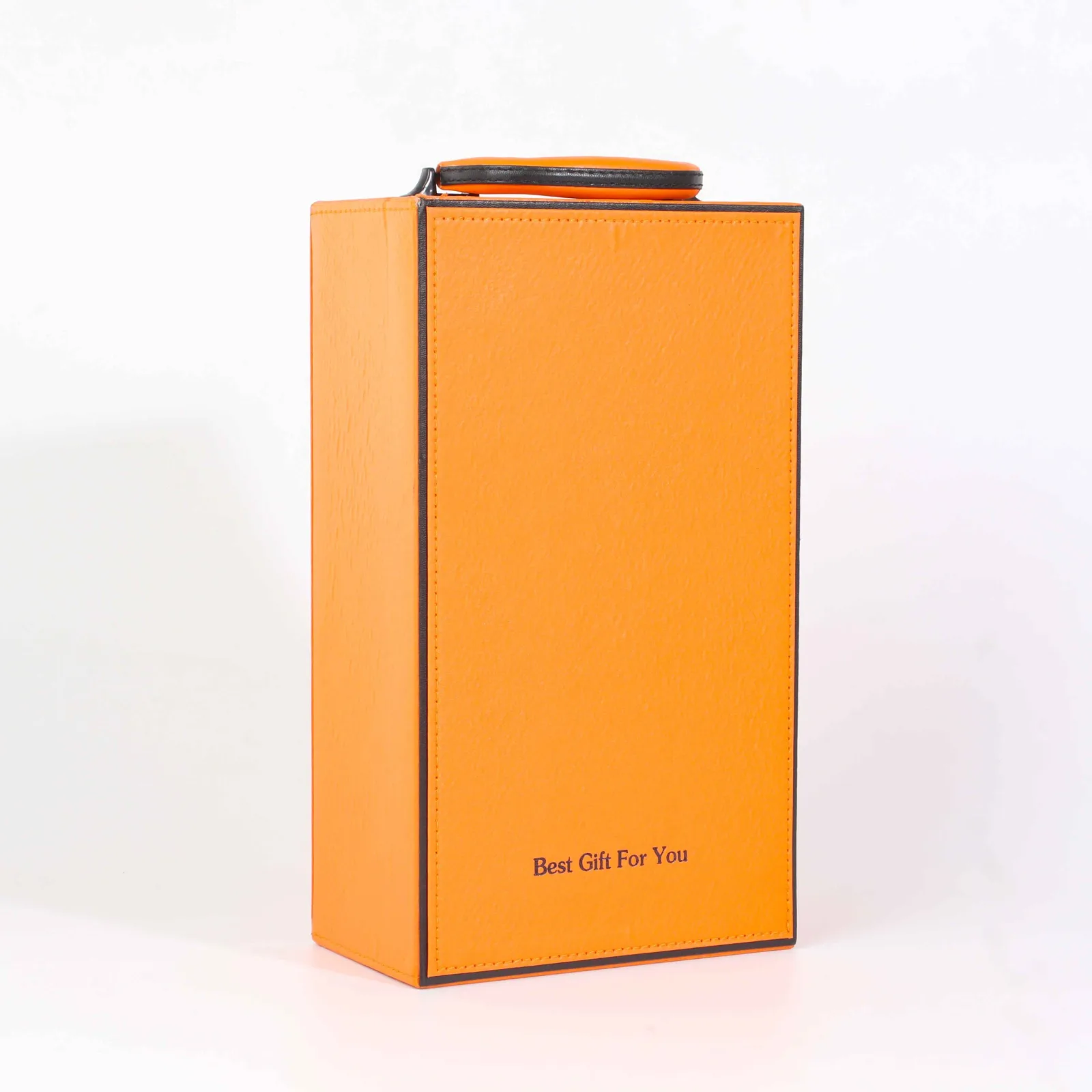
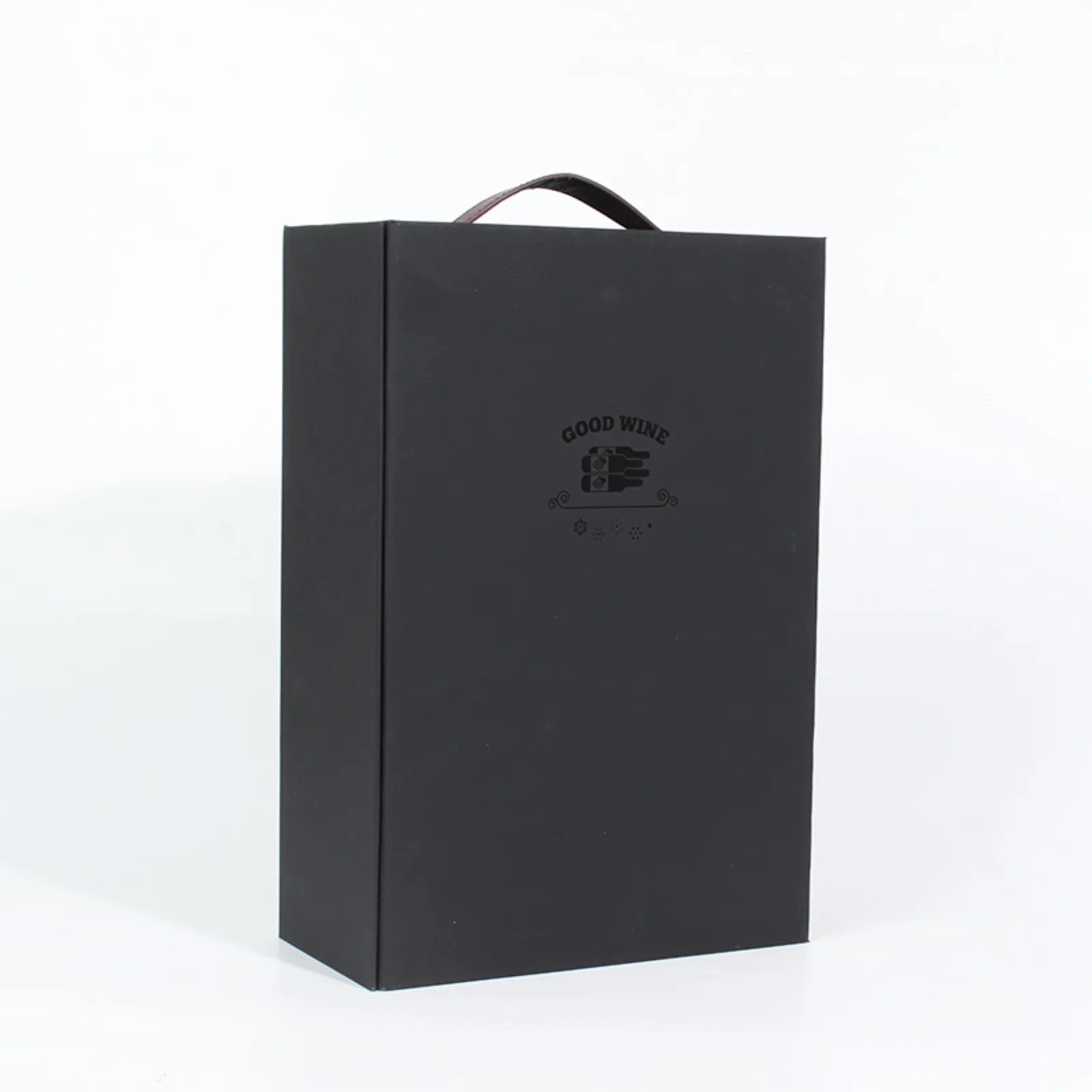
How to pick the right box
With two identical 750 ml Bordeaux bottles it's simple. But a Burgundy shape with a wider shoulder or a tall Riesling changes the insert layout and the internal clearance. Send us the bottle dimensions or a sample, and we will map the neck, shoulder, and base positions before we quote a structure.
Then decide what the box has to survive. Because a corrugated shipper with a moulded pulp insert costs less and handles rough freight well, but it looks like a shipping box. A rigid box with a velvet tray? Looks premium but needs an outer carton for transit. Ship direct to the end customer? You often need both layers: a retail-ready box inside a protective shipper.
The magnetic flaps? Easy to open, but they add cost and a few millimetres of thickness. And drawer structures feel special, yet need tighter tolerances or the drawer jams. It breaks the illusion. The cheapest is a simple tuck-top cardboard box, though it's also the least impressive to open. Match the closure to the price point of the wine inside, always.
Buyer questions
Can you make a two-bottle box that works for both wine and spirits?
Yes, but you'll probably want 1400 g greyboard instead of the 1200 g minimum. Spirits bottles are heavier, and they often have a quite different shoulder profile, which changes the fit inside. The insert will also be adjusted so the bottle is held at four points, not just wedged in place. Send us the bottle dimensions, and we will tell you if one insert can work for both.
What is the difference between a blank sample and a printed sample?
What a blank sample shows is the structure: board weight, insert fit, closure, and how it folds. You check protection and ergonomics. While a blank focuses on function, a printed sample adds the facing paper, colour, and finishing, so the visual can be approved by you. And we recommend approving the blank first, then the printed version, to avoid paying for print on a structure that ends up needing changes. It just makes sense.
Do I need a separate outer carton for a rigid two-bottle box?
Usually yes, because a rigid box with a magnetic closure or a leather-textured facing isn't meant to be thrown into a courier network by itself. Scuffs. Corner dents. It'll happen. We can supply a corrugated shipper that's sized to the rigid box, or, if you prefer to use your own, that works too. But for direct-to-consumer wine, the two-layer approach does give you the best protection and presentation.
What we control in production
Everything is set before we cut anything. For rigid two-bottle boxes we use greyboard at 1200 g minimum, but if the client is packing spirits or heavier glass, that rises to 1400 g. The facing paper stays at 157 g minimum: specialty or coated, whichever you pick. We won't use recycled greyboard or high-moisture paper. They fail at the crease when the box is folded flat and then erected.
The insert rule? Non-negotiable: each bottle is held at four points. Base, lower body, upper body, and neck or shoulder. No unsupported neck, no shoulder resting against the box wall. It doesn't matter which one. We check every new insert by shaking the loaded box for ten seconds, tilting it to 45 degrees, and inverting it. If the bottle moves, slides, or releases, the insert is reworked before approval, simple as that. Our control tolerance is plus or minus 1 mm on the insert and plus or minus 2 mm on the box body. For foldable boxes, the creases must not crack when the box is erected. The magnet position is held to plus or minus 1 mm, and the corners must sit at 90 degrees when assembled. Colour, we hold to Pantone references with first-article approval and mid-run sampling. Keep an eye on black, deep blue, and burgundy because they're the hardest to keep consistent, so we check those more often. Before anything leaves, we run our in-house pre-shipment checks: a loaded box dropped from 1.2 m on six faces, stacked under a top load of 40 kg or more for 24 hours, then truck and sea vibration simulation confirmed with no internal movement. If a two-bottle box passes those three, it will usually survive the real trip.
Get a quote for two-bottle wine boxes
Send the bottle size or a sample, quantity and a reference design. We reply with structure options and pricing.
- Email[email protected]