Single-Bottle Wine Boxes
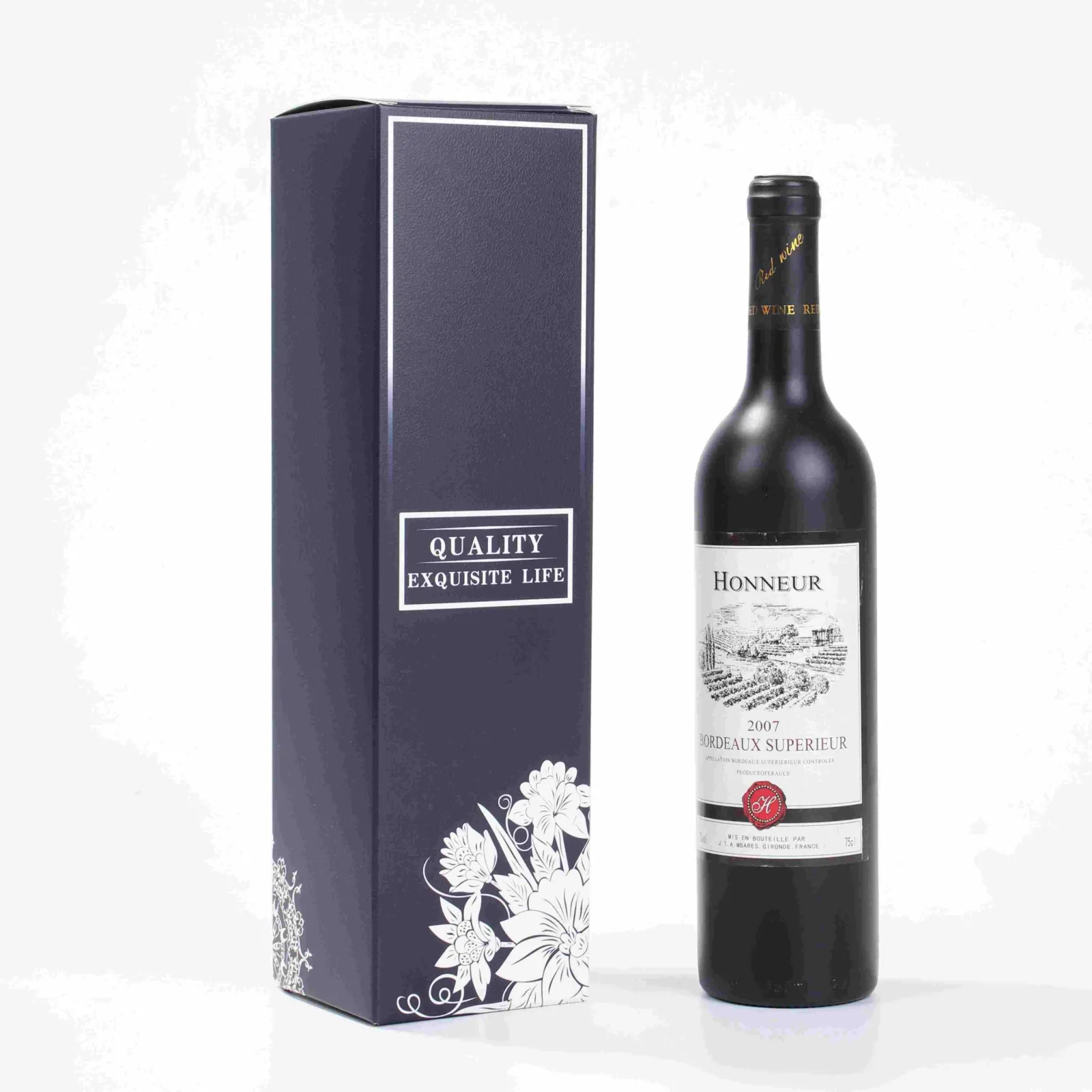
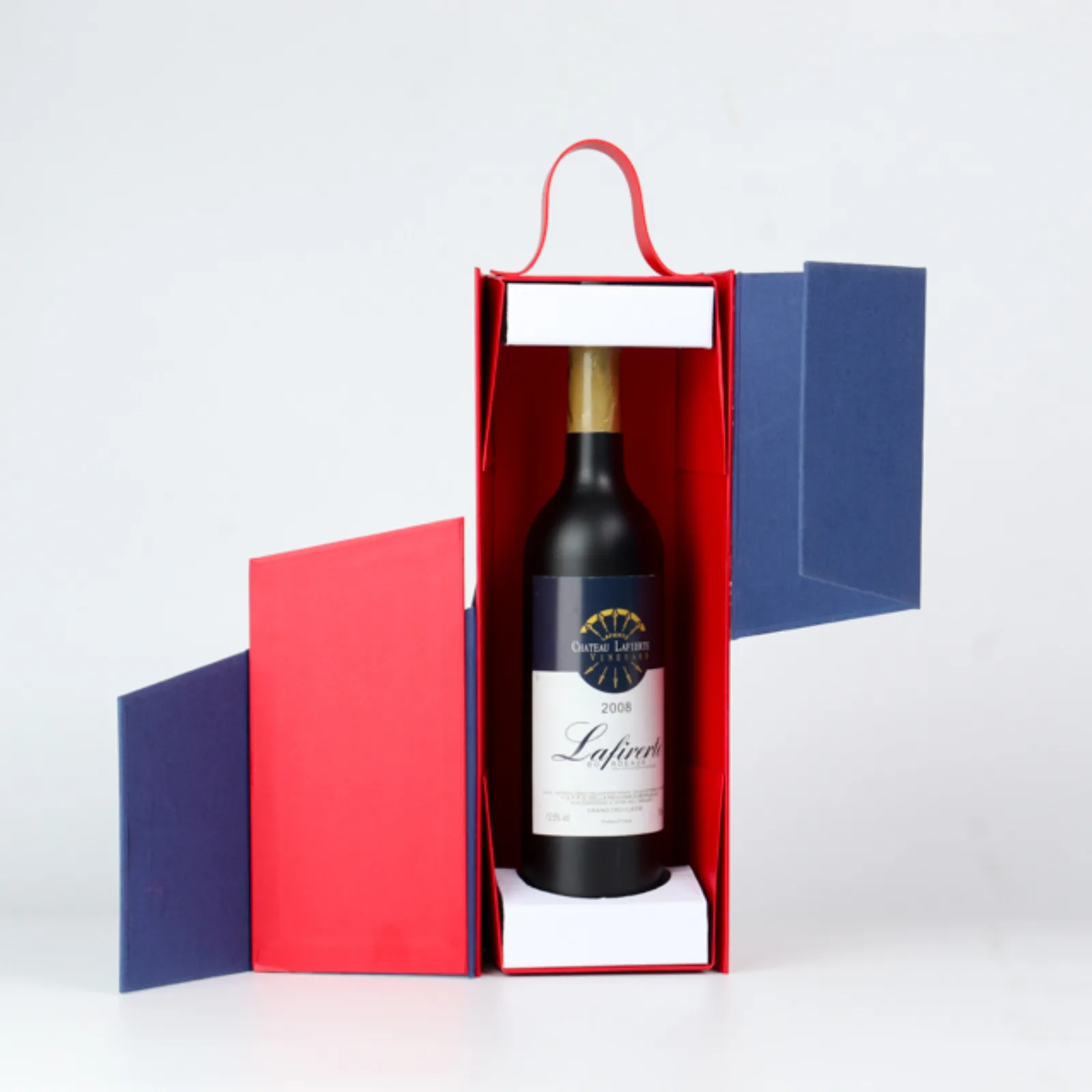
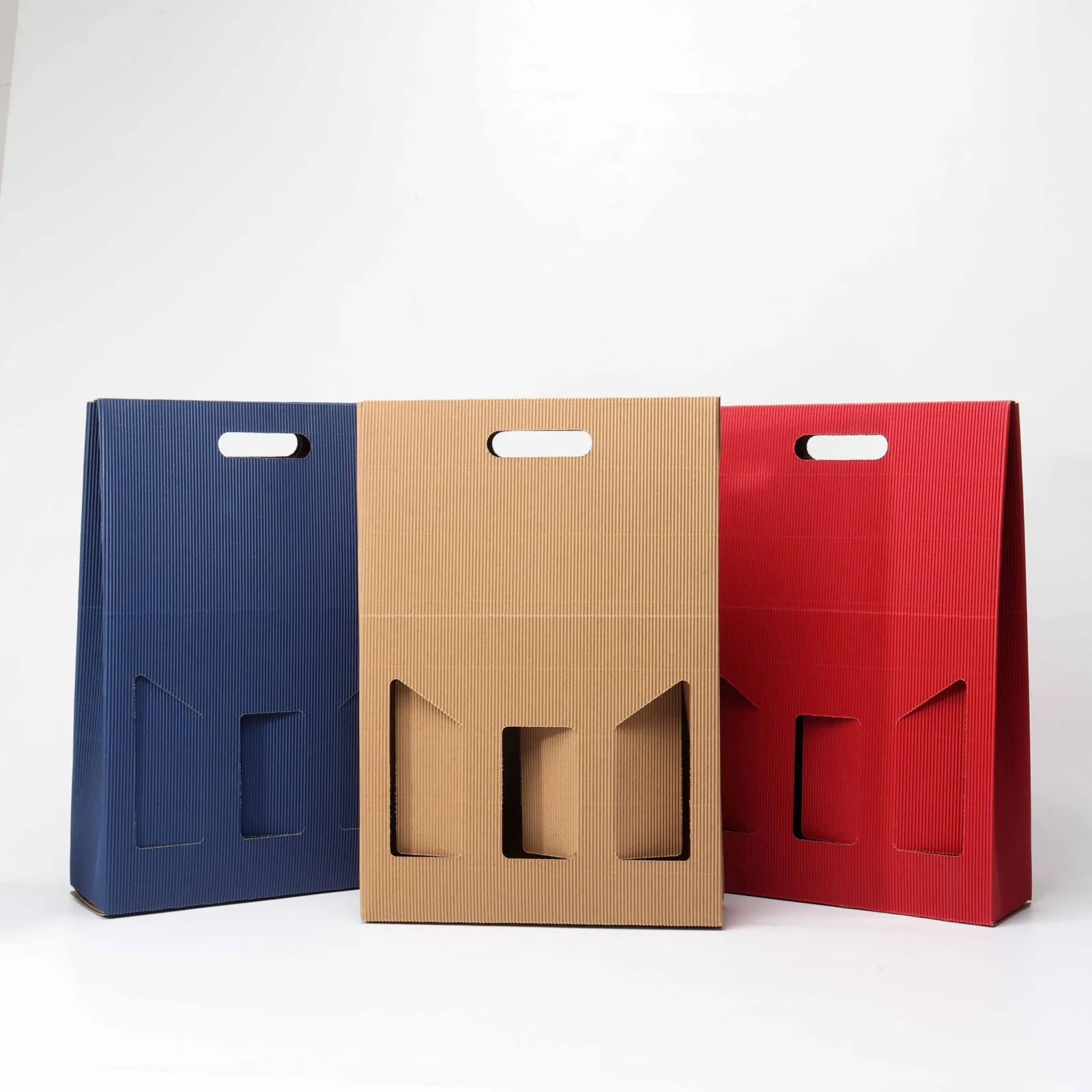
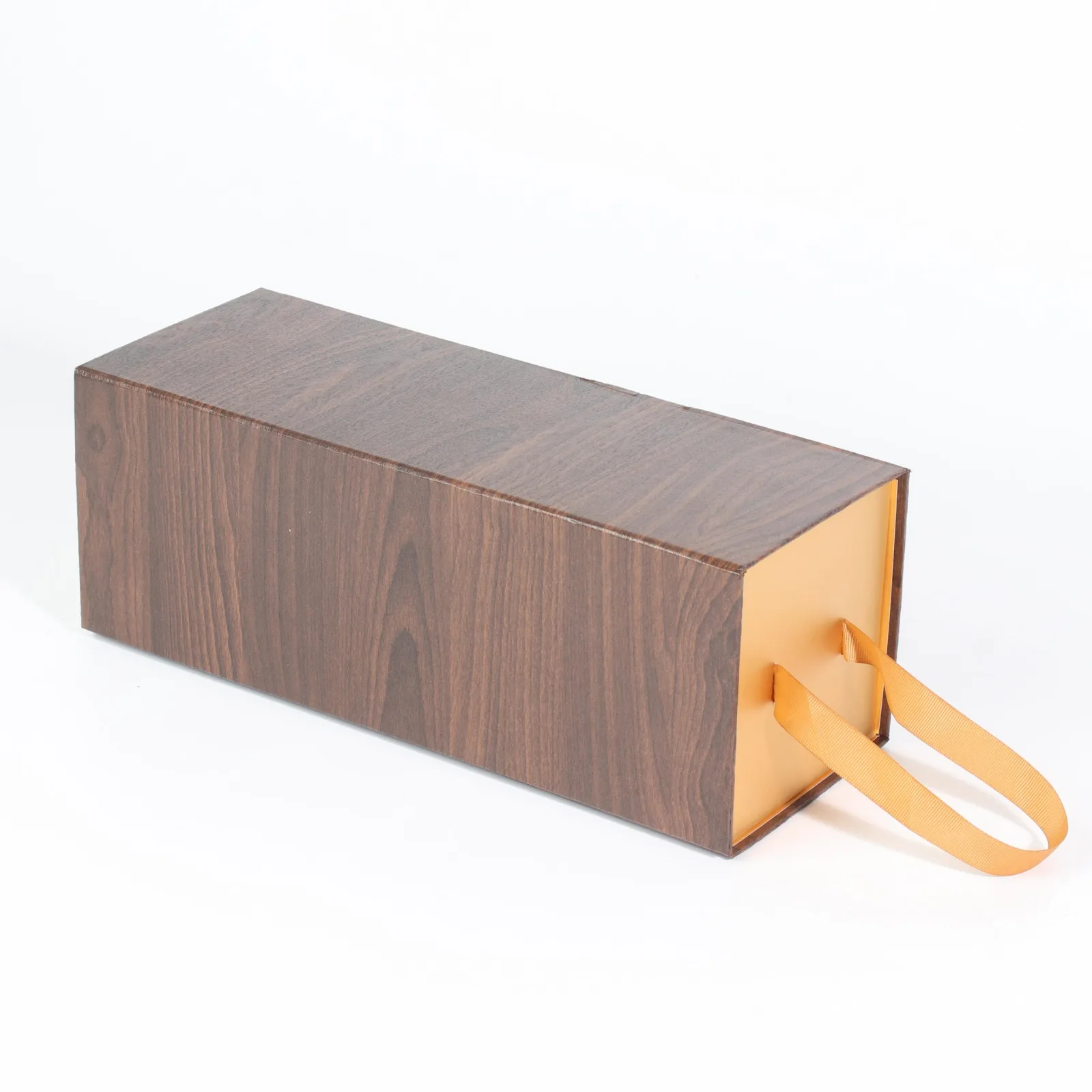
Single-bottle wine boxes do the grunt work in DTC wine shipping. Where it's one bottle, one box, and a courier network that doesn't care about fragile contents, what you need is a box that can take the drop, the stack, and the doorstep. We build them after deciding the lane: corrugated shippers for transit, foldable cardboard for retail, or rigid and wooden boxes for when unboxing is part of the sale that your buyer remembers.
Since you won't know it's failed until the neck snaps or the label scuffs, we start a single-bottle box with the bottle itself. Its diameter, shoulder height, and weight come first; after that, we settle the insert. A 750ml Burgundy bottle needs a different cavity than a flute or a heavy punt, which is a mistake most cheap boxes make. Haven't got dimensions? Send us the bottle and we'll measure it, then build the box around it.
How to Choose
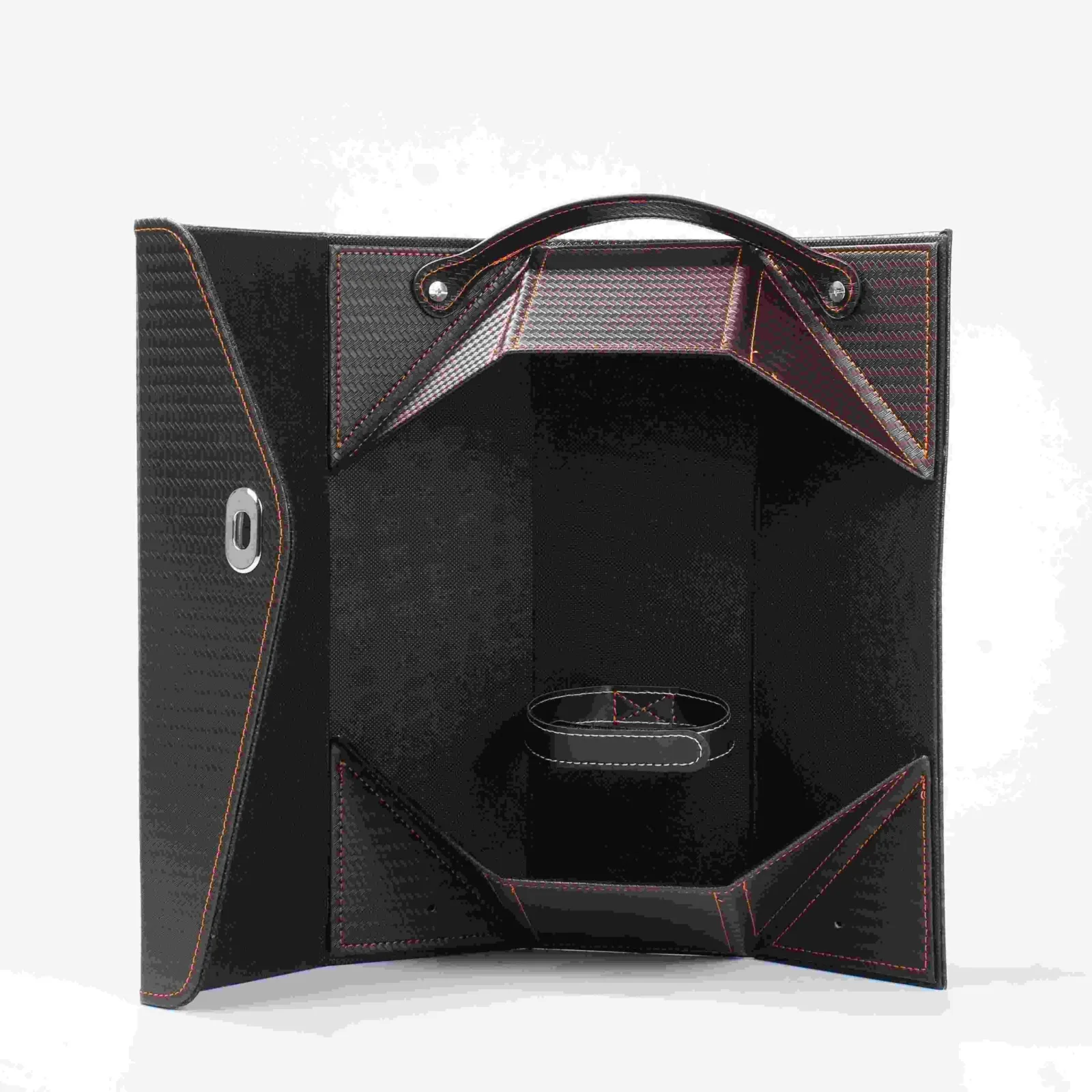
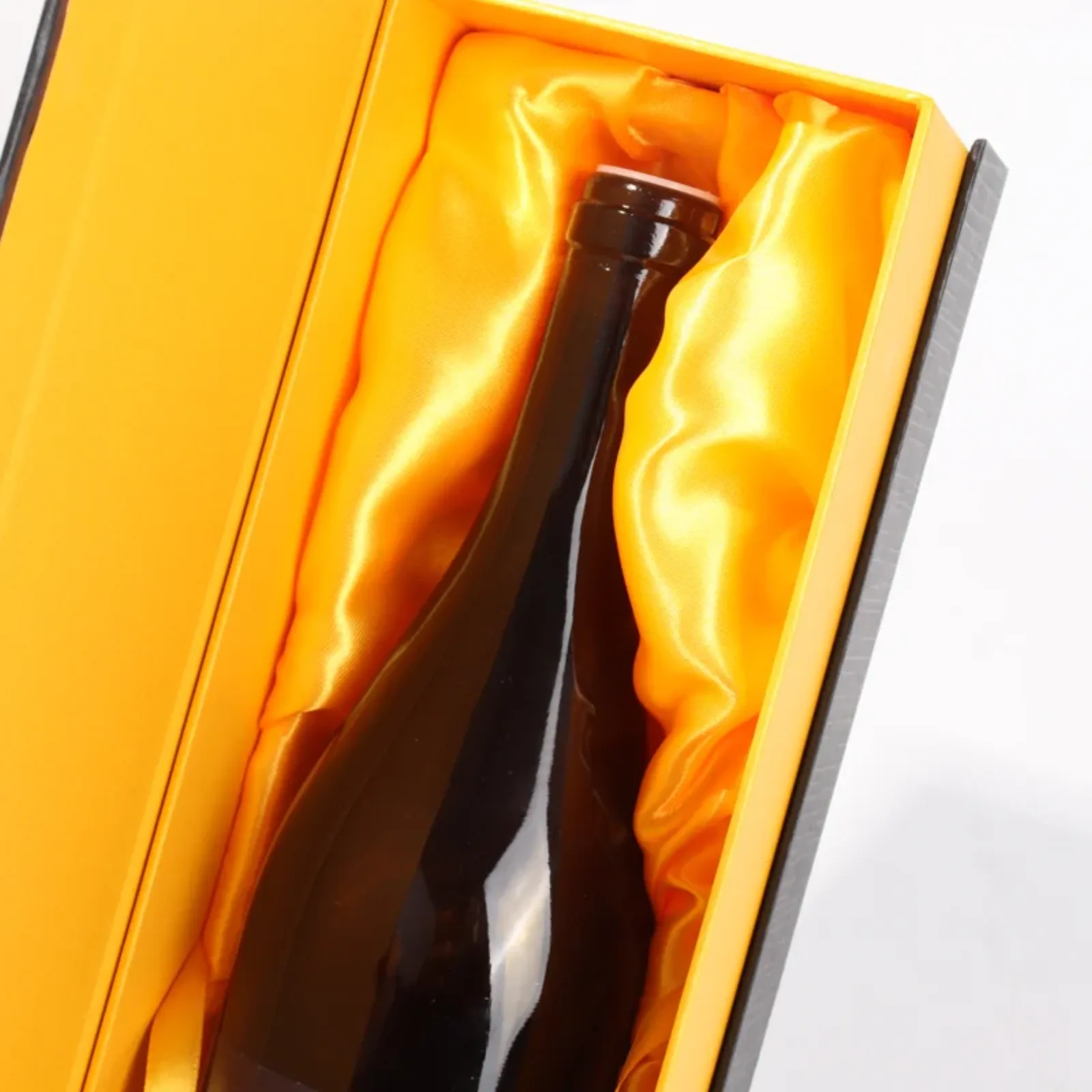
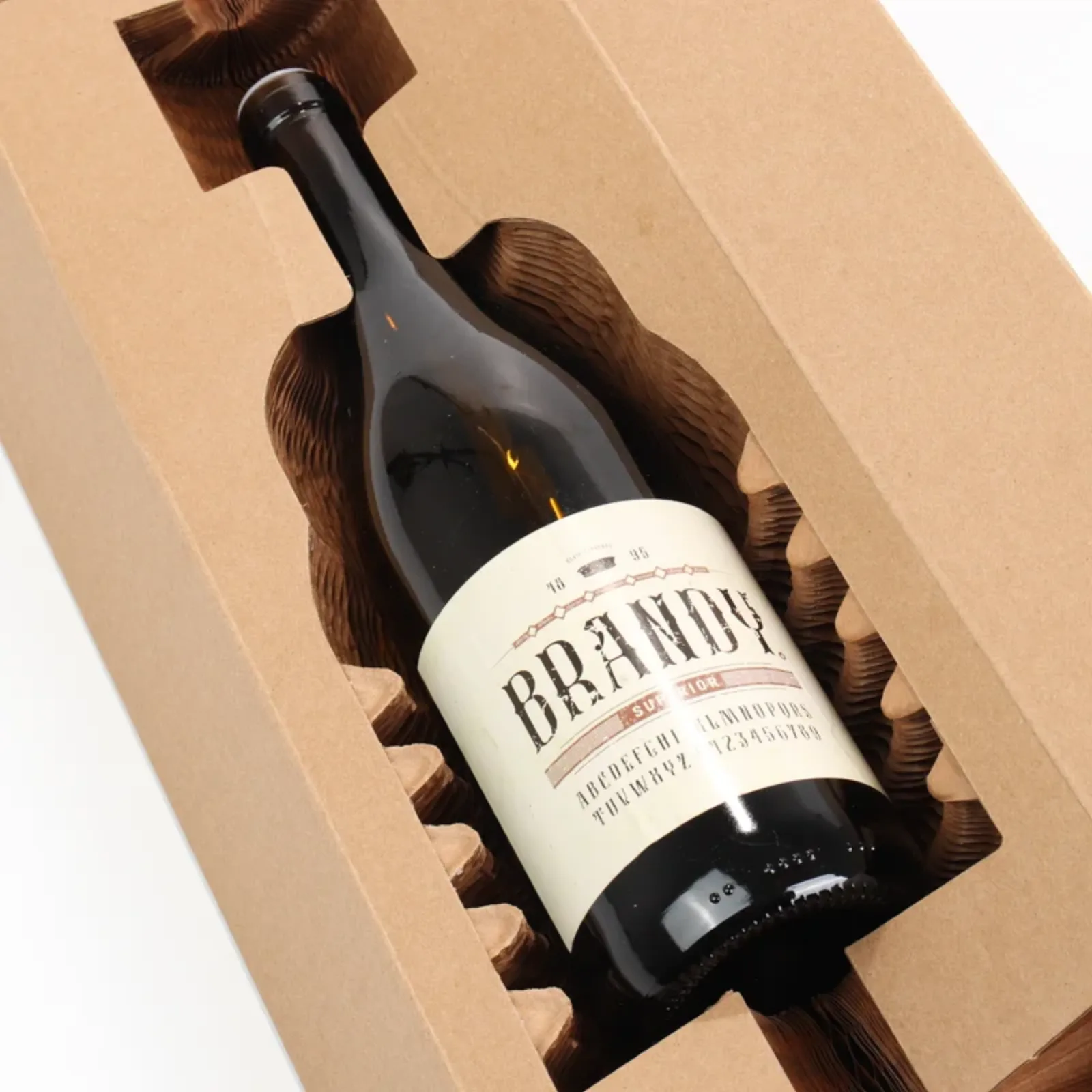
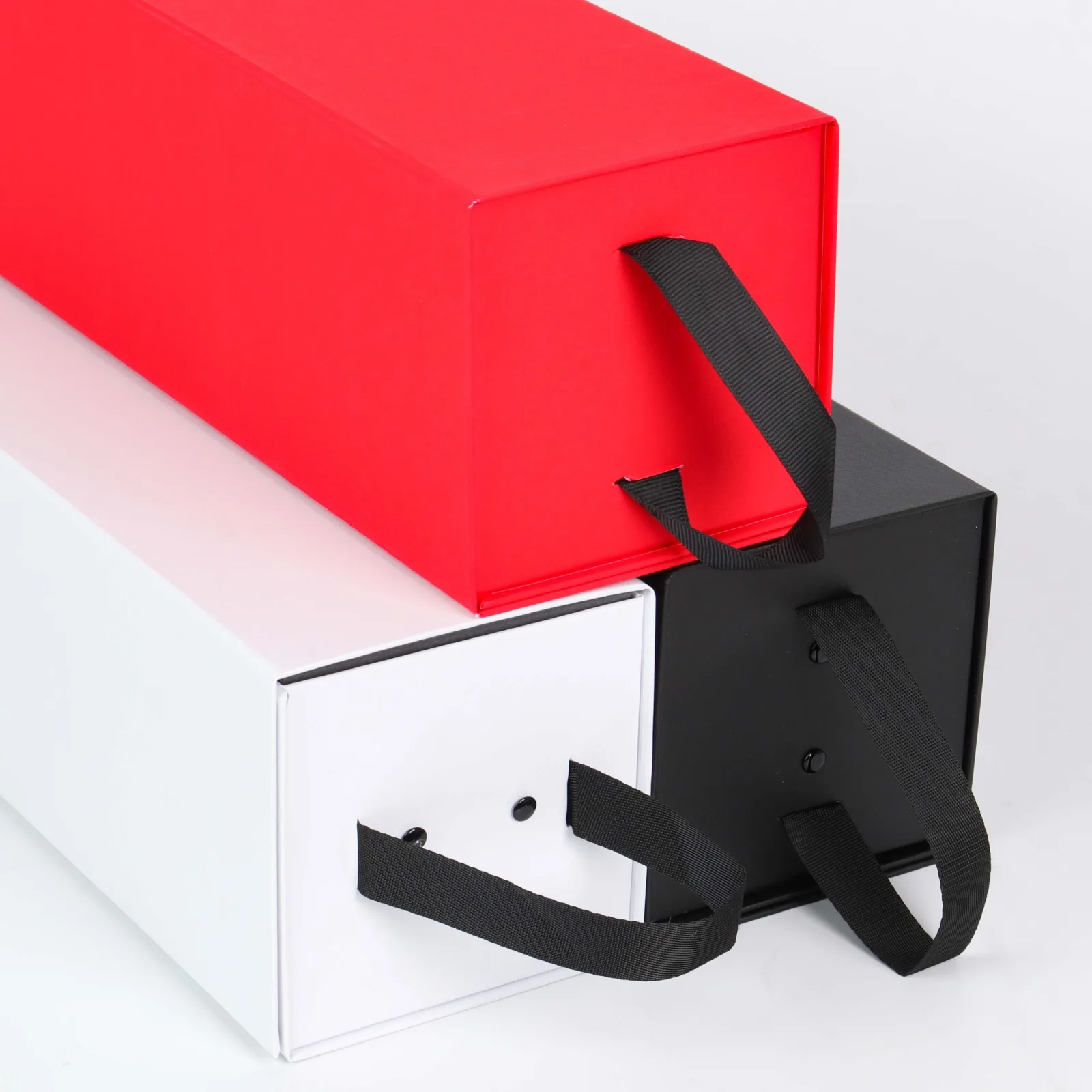
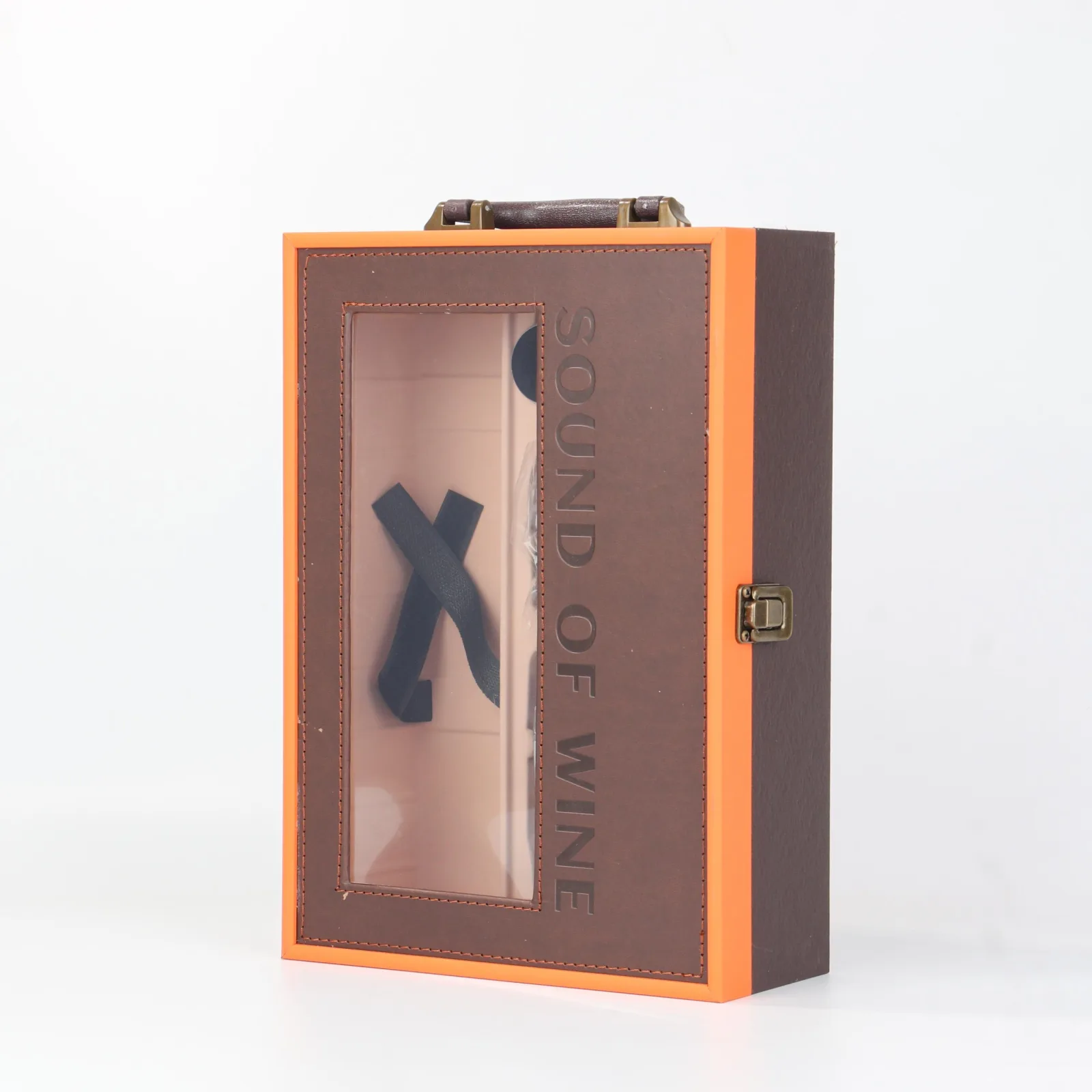
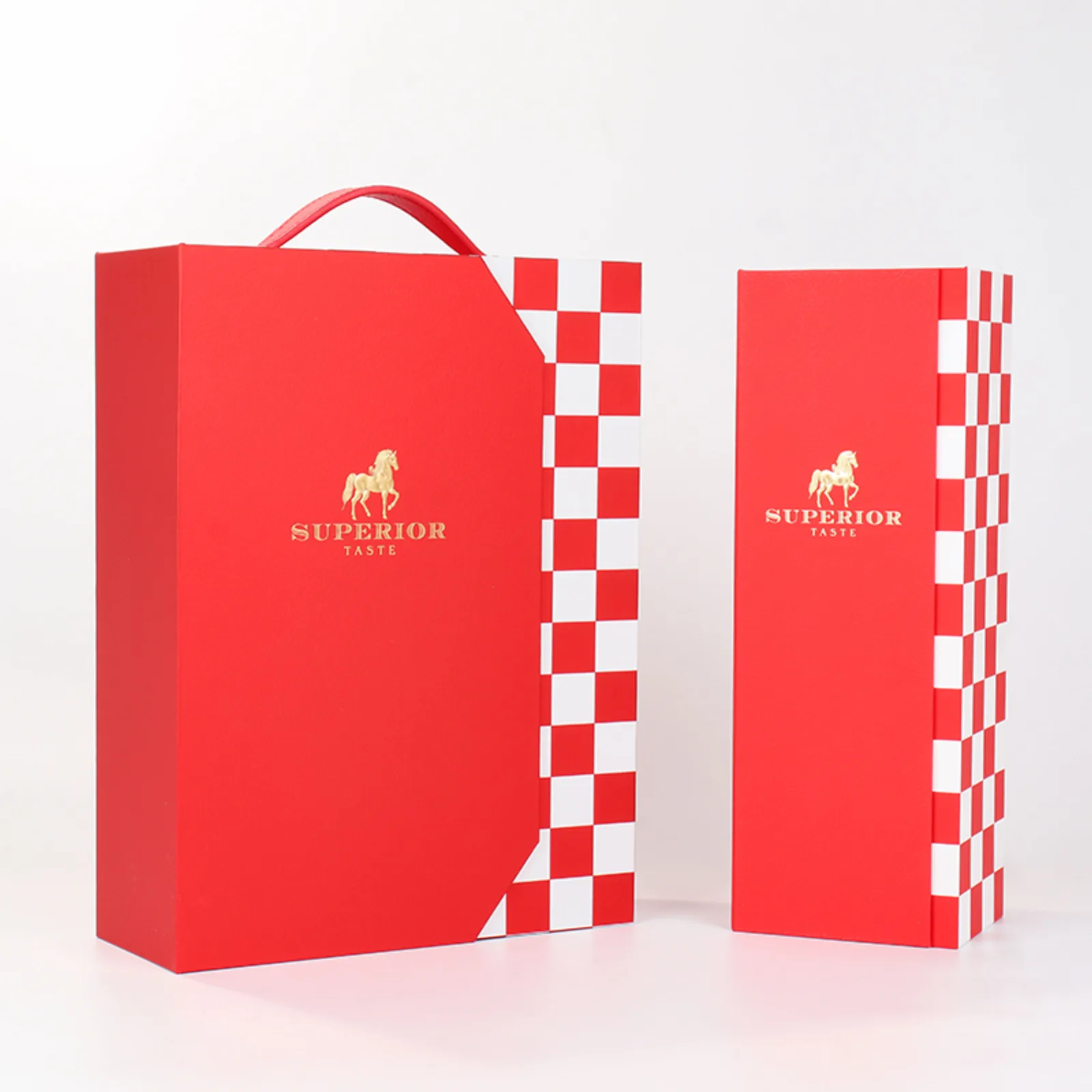
Before you design anything, know what the box must survive. If it's going through a courier network, you want corrugated, because the fluting absorbs impact and the box crushes instead of the glass that would otherwise snap at the neck. Where it sits on a retail shelf instead, foldable cardboard with your chosen facing paper is cheaper and prints much better. A gift almost always deserves a rigid box with a magnetic closure; it feels heavier and more deliberate on a table, and it won't end up as pulp the way a retail box in a shipping lane does.
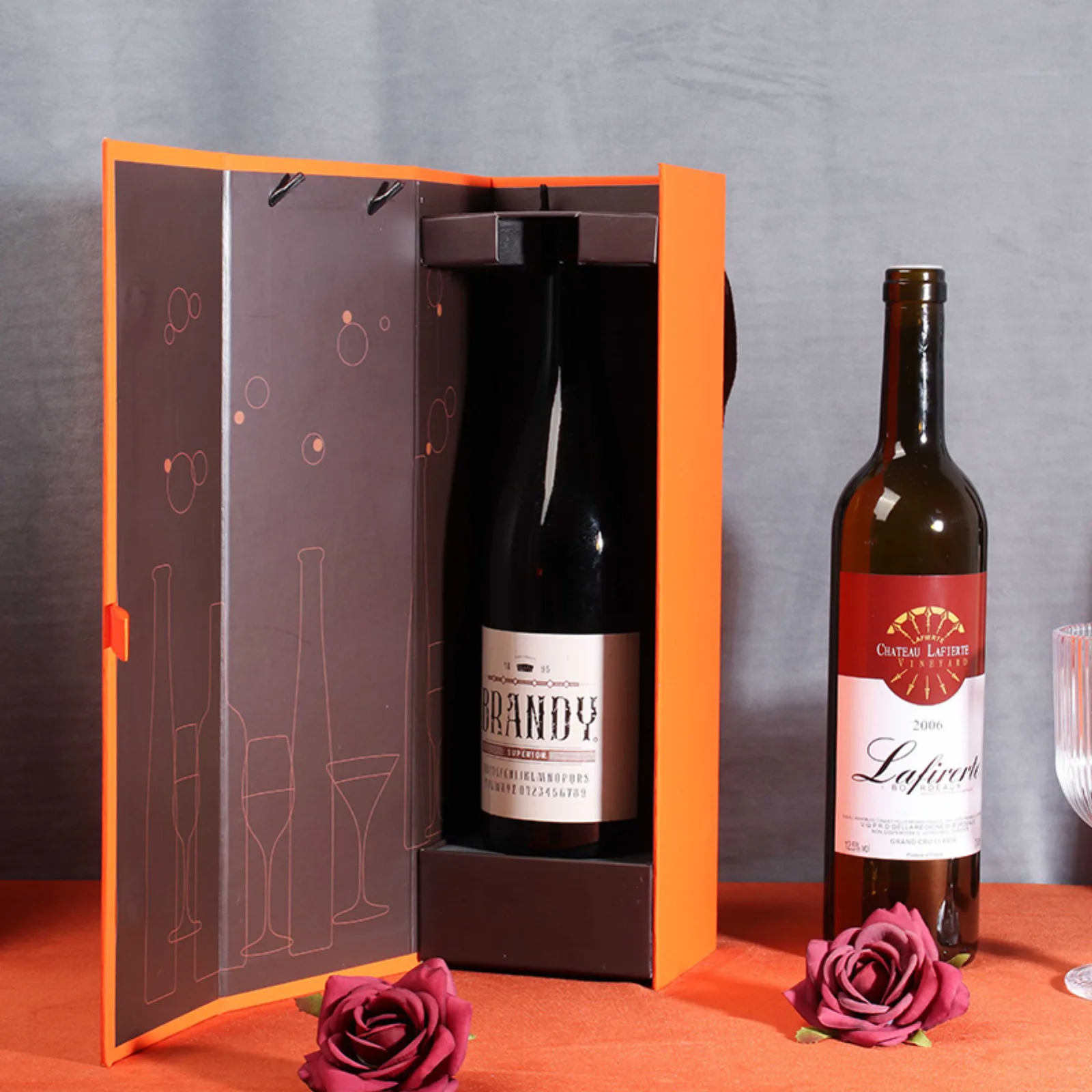
After the board, look at the insert, and look for four contact points: the base, the lower body, the shoulder, and the neck, because that's the hold we use. Tilt the box 45 degrees and the bottle should not slide; shake it ten seconds and it should not move. If the insert only touches at the base and neck, bottle flex in the middle puts all stress on the neck, and then necks snap.
Think next about the unboxing step you're designing for. A corrugated shipper gets opened with a knife and thrown away, but foldable cardboard with a ribbon handle is carried to the table, and a leather box with a PU handle becomes a gift that stays in the house. When a buyer takes home an everyday bottle, plain product is fine; when they've bought the higher-end bottle, the box isn't too much, because the box should match the wine, not its lane.
Buyer questions
Can you make a single-bottle box that works for multiple bottle shapes?
Yes. A no at first; a compromise in every case. Give a single insert just one cavity and then send both Burgundy and Bordeaux profiles through it, and instead the cavity has to be loose enough for the widest bottle while tight enough for the narrowest. Bottle moves a little in transport then, more often than not. The alternative is two inserts, or a corrugated shipper with a flexible divider; get us the bottle dimensions first and we will tell you quickly which to pick.
What's the difference between a wine shipping box and a wine gift box?
Because a shipping box gets thrown, stacked and vibrated, it's built to survive that. It's usually corrugated. A simple insert, no fancy finishing. A gift box, though, is built to be opened slowly, and it's usually rigid or foldable cardboard with a magnetic closure, a ribbon handle and a nice facing paper, which means it can ship, but it needs an outer carton. The shipping box shouldn't be given as a gift. Looking like a courier box, it is.
Do you offer blank samples before we commit to a full order?
Yes. We make two types of samples. A blank sample shows the structure: the board, the insert, the closure, and you check the fit and the feel, especially if the product is heavy or fragile. A printed sample, which shows the visual details like the facing paper, colour and logo, comes after. The blank sample comes first because if the structure is wrong, the print doesn't matter. We ship samples by air or express, and that cost is credited against the production order.
What We Control
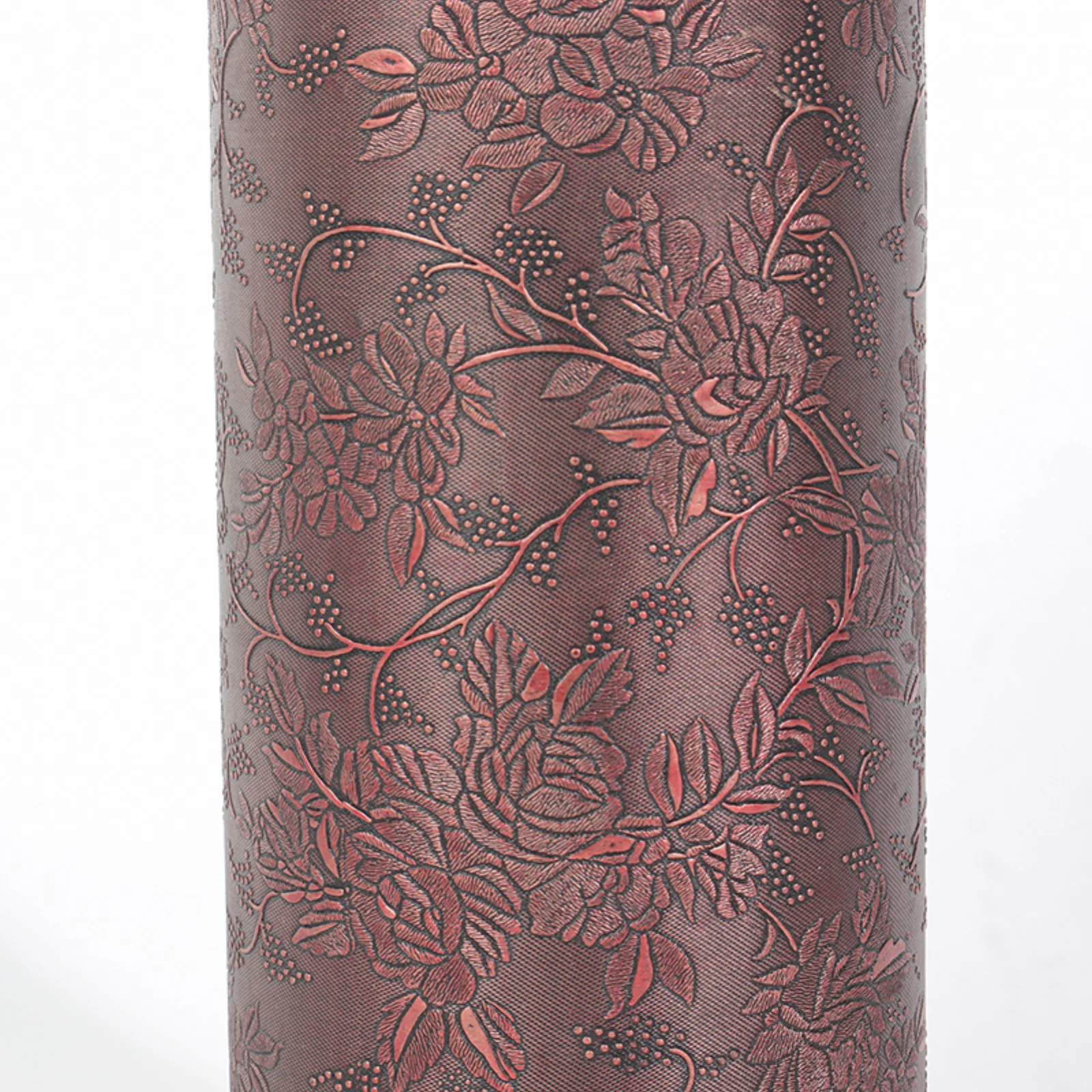
For a single bottle for our customers, we control the board, the facing paper, and the insert, and you won't see less than greyboard at 1200 gram as a base weight. If the bottle is heavy or the lane rough, we go to 1400 gram, and the facing paper is nothing under 157 gram specialty or coated stock, which rules out recycled greyboard and high-moisture paper on day one. Go thinner for cheap boxes on standard shelves, sure, but on a single bottle it's glass against the floor, so that one box is doing all the work.
Where most single-bottle boxes fail is in the insert, with our control tolerance pinned at plus or minus 1 mm and box body at plus or minus 2 mm right from the sampled first article. With foldable boxes we do not allow the creases to crack, magnet position runs plus or minus 1 mm, and erected corners get read as 90 degrees, then runs get checked to Pantone references and again in mid-run, with black, deep blue, and burgundy proving hardest to hold. We've loaded up a 1.2 m six-face drop test, stacking under top load of 40 kg or more for 24 hours, and truck and sea vibration simulation, because a bottle moving inside is a box that better not get dropped.
Get a quote for single-bottle wine boxes
Send the bottle size or a sample, quantity and a reference design. We reply with structure options and pricing.
- Email[email protected]